Boxing Gloves Sizes Guide: A Comprehensive Overview (02/02/2026 12:43:31)
Navigating boxing glove sizing can be tricky, especially with inconsistent standards between fitness and professional gear; starting with 16oz gloves is often a safe initial choice.
Understanding boxing glove sizing is crucial for safety, performance, and comfort. The current system presents a unique challenge, particularly for newcomers, due to inconsistencies between entry-level fitness gloves and those used in traditional boxing. Many beginner gloves incorrectly correlate size with body weight – small equates to 12oz, medium to 14oz, and large to 16oz – a practice rarely seen in authentic boxing circles.
Genuine boxing glove sizes are primarily determined by their intended use. Lighter gloves, like 8oz and 10oz, are typically reserved for competition, while 12oz gloves excel in mitt and bag work. Heavier options, 14oz and 16oz, are favored for sparring and rigorous heavy bag training. This guide aims to demystify the process, helping you select the perfect fit for your needs.
Understanding Ounces (oz) in Boxing Gloves
The “oz” designation in boxing gloves refers to the weight of the padding inside, traditionally measured in ounces. This weight directly correlates to the level of protection offered. Higher ounce gloves provide more cushioning for both the wearer and their sparring partner, minimizing the risk of injury during training and competition. However, the ounce system isn’t always straightforward.
Entry-level gloves often misuse ounces as a sizing indicator based on body weight, creating confusion. Authentic boxing prioritizes glove weight based on purpose – competition, bag work, or sparring. Understanding this distinction is vital. Don’t solely rely on ounce weight for fit; consider hand size and intended use for optimal protection and performance.
The Confusion with Entry-Level Glove Sizing
The boxing glove market presents a sizing paradox, particularly within the entry-level fitness space. Many brands incorrectly equate ounce weight to hand size, labeling gloves as “small” (12oz), “medium” (14oz), or “large” (16oz) based on perceived body weight. This deviates from traditional boxing standards, where ounces signify padding weight and intended use, not fit.
This system can mislead beginners, potentially leading to ill-fitting gloves. An adult male may find a 12oz “small” glove constricting. The lack of a consistent standard makes selecting appropriate gloves challenging. It’s crucial to recognize this discrepancy and prioritize proper fit over arbitrary size labels when purchasing entry-level gear.
Weight-Based Sizing vs. Traditional Ounce System
The core of the confusion lies in the clash between weight-based sizing, common in fitness gloves, and the traditional ounce system used in boxing. Weight-based systems attempt to match glove size to the user’s body weight, offering a seemingly simple solution. However, this overlooks individual hand size and the specific demands of different training activities.
The traditional ounce system focuses on protection. Higher ounce gloves (16oz, 18oz) provide more padding for sparring, while lower ounce gloves (8oz, 10oz) are used for competition. This system prioritizes safety and functionality over a generalized weight correlation, offering a more nuanced and effective approach to glove selection.
Standard Boxing Glove Sizes and Their Uses
Boxing gloves aren’t one-size-fits-all; different ounces cater to specific training purposes. Generally, 8oz and 10oz gloves are reserved for competition due to their lighter weight and focus on feel. 12oz gloves are excellent for mitt work and light bag drills, offering a balance of protection and maneuverability.
For versatile training, 14oz gloves are a solid choice, suitable for both bag work and light sparring. However, 16oz gloves are the go-to for sparring and heavy bag training, providing maximum protection for both partners. Understanding these distinctions is crucial for selecting the right gloves for your needs.
8oz & 10oz Gloves: Competition & Professional Use
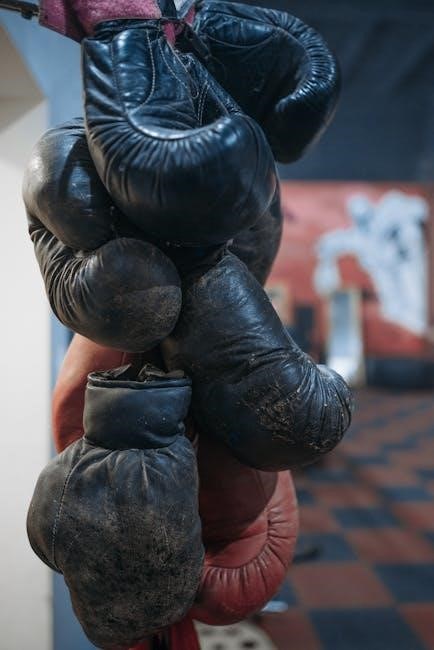
Eight and ten-ounce boxing gloves are primarily designed for competitive boxing matches and professional training scenarios. Their lighter weight allows for faster hand speed and greater precision, crucial elements in the ring. These gloves prioritize feel and technique over maximum padding, enabling boxers to execute combinations effectively.
However, this reduced padding means they aren’t ideal for heavy bag work or sparring, where greater protection is needed. Regulations often dictate the specific ounce allowed in competition, typically 8oz for lower weight classes and 10oz for higher ones, ensuring fair and safe contests.
12oz Gloves: Bag and Mitt Work
Twelve-ounce boxing gloves strike a balance between protection and versatility, making them excellent for both bag and mitt work. They offer sufficient padding to absorb impact during repetitive striking on the heavy bag, building endurance and technique without excessive hand fatigue. Simultaneously, they provide adequate protection for partners during mitt training, allowing for focused drills and combination practice.
While usable for adult men of various sizes, 12oz gloves aren’t typically the first choice for beginners or dedicated sparring sessions. They represent a good middle ground for those seeking a glove suitable for diverse training applications, offering a blend of performance and safety.
14oz Gloves: Versatile Training Gloves
Fourteen-ounce boxing gloves are frequently recommended for those starting their boxing journey or seeking a versatile option for general training. They provide a substantial level of padding, making them suitable for bag work, mitt drills, and even light sparring once a coach approves. This size offers a good balance between protection and maneuverability, allowing for effective technique development.
For individuals around 200lbs, 14oz gloves can be a solid choice, though heavier individuals might prefer 16oz. They’re a practical option as you build experience, offering a step up from beginner gloves while remaining adaptable to various training scenarios.
16oz Gloves: Sparring and Heavy Bag Training
Sixteen-ounce boxing gloves are a popular choice, particularly for sparring and heavy bag work, offering enhanced protection for both the wearer and their training partner. They’re often recommended as a starting point for beginners due to the increased padding, minimizing the risk of injury during initial training phases. While potentially feeling bulky at first, they aid in developing proper form and technique.
Individuals weighing around 200lbs often find 16oz gloves suitable, but lighter individuals can also benefit from the extra protection. Remember, many gyms provide dedicated sparring gloves, so initial investment isn’t always crucial.
Choosing the Right Size for Beginners
For those new to boxing, selecting the correct glove size can feel overwhelming. It’s crucial to avoid overthinking the initial purchase; a 16oz pair is generally a safe and practical starting point. This size provides ample padding, protecting hands and wrists during learning, and minimizing potential injury. Don’t worry excessively about precise weight-based sizing charts at this stage.
Focus on comfort and a secure fit. Remember, many gyms offer loaner sparring gloves, delaying the need for a dedicated sparring pair immediately. Prioritize getting comfortable with the basics before investing heavily in specialized gear.
Starting with 16oz Gloves: A Safe Bet
Commencing your boxing journey with 16oz gloves is a highly recommended approach, particularly for beginners. The extra padding offers superior hand and wrist protection during initial training phases, reducing the risk of injury as you develop proper technique. This size is versatile enough for bag work and light sparring, providing a solid foundation.
While you might eventually transition to different weights, 16oz allows you to focus on learning without worrying excessively about glove size nuances. It’s a forgiving choice, accommodating various hand sizes and providing ample protection while you build strength and skill.
Determining Your Ideal Glove Size
Finding the perfect boxing glove fit involves considering both hand measurement and overall feel. While weight charts offer guidance, individual hand size and preference are crucial. Measure your hand circumference around the knuckles; this provides a baseline for comparison with manufacturer sizing charts.
A properly fitted glove should feel snug but not constricting, allowing for natural fist closure without excessive movement inside. Pay attention to wrist support – a secure fit is vital for preventing injuries. Don’t solely rely on ounces; try on different brands and sizes to discover what best suits your hand shape and training needs.
Hand Measurement and Glove Fit
Accurate hand measurement is the first step to finding your ideal boxing glove size. Use a flexible measuring tape to determine the circumference around your knuckles, ensuring a snug but not overly tight fit. This measurement, typically in inches, serves as a reference point for comparing against brand-specific size charts.
When trying on gloves, focus on the feel. A good fit allows for a natural fist without excessive space or constriction. Check wrist support – it should be secure. Remember, sizing varies between manufacturers, so experimentation is key. Don’t overthink your first pair; prioritize comfort and a secure fit for effective training.
Glove Size Recommendations Based on Body Weight
While not a definitive rule, body weight offers a general guideline for boxing glove selection. Individuals under 150lbs often find 12oz or 14oz gloves suitable for bag work and light sparring, prioritizing hand protection; Those between 150-180lbs typically benefit from 14oz or 16oz gloves, offering a balance of protection and maneuverability.
Heavier individuals, 180lbs and above, generally require 16oz gloves for adequate cushioning during intense training and sparring. However, individual hand size and training intensity should also influence the final decision. Remember, these are starting points; prioritize fit and comfort over strict weight-based recommendations.
Lightweight Individuals (Under 150lbs)
For boxers weighing under 150lbs, glove selection focuses on balancing protection with maintaining control and hand speed. A 12oz glove can be a viable option for mitt work and lighter bag drills, allowing for quicker hand movements; However, 14oz gloves are often recommended, providing enhanced cushioning for both hands and the training partner during light sparring sessions.
Prioritize a snug, comfortable fit to maximize dexterity. Avoid gloves that feel too bulky or restrictive. As a beginner, erring on the side of more protection with 14oz is sensible, minimizing the risk of injury while developing technique.
Middleweight Individuals (150-180lbs)
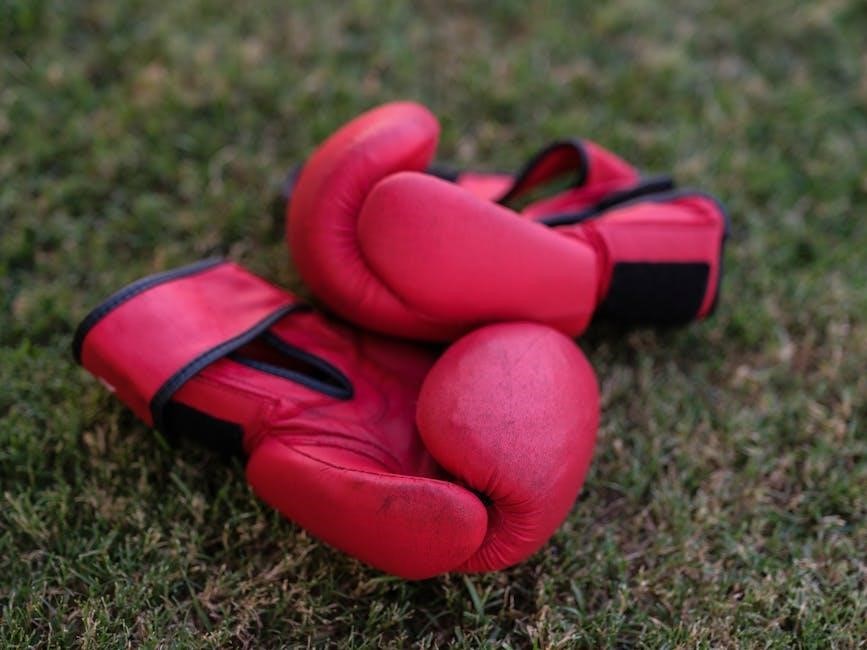
Boxers within the 150-180lbs weight range generally find 14oz or 16oz gloves to be the most suitable. 14oz gloves offer a good balance for versatile training, including bag work and moderate sparring. They provide adequate protection without significantly hindering hand speed or maneuverability. However, 16oz gloves are frequently preferred, especially for sparring, offering superior cushioning for both the wearer and their partner.
Focus on a secure fit that doesn’t compromise comfort. A well-fitted glove will enhance performance and reduce the risk of hand injuries during intense training sessions. Consider your training intensity when making your final decision.

Heavyweight Individuals (180lbs+)
For individuals weighing 180lbs and above, 16oz gloves are generally the recommended starting point, and often the best overall choice. Larger hands and increased power necessitate the extra padding provided by 16oz gloves, ensuring adequate protection during both sparring and heavy bag work. Some heavier individuals, particularly those exceeding 200lbs, might even consider 18oz gloves for enhanced safety.
Prioritize a comfortable and secure fit; avoid gloves that feel too tight or restrictive. Remember, the goal is to protect your hands and your sparring partners, so erring on the side of more padding is advisable.
The Importance of Separate Gloves for Different Training
Ideally, dedicated gloves should be used for bag work and sparring to maximize both performance and safety. Bag gloves typically have less padding, promoting better hand-eye coordination and faster hand speed during intense striking sessions. Conversely, sparring gloves prioritize protection for both yourself and your training partner, featuring significantly more padding to absorb impact.
Using the same gloves for both can lead to premature wear and tear, and potentially compromise safety. Investing in separate pairs ensures optimal performance and longevity, safeguarding your hands and fostering a safer training environment.
Bag Gloves vs. Sparring Gloves
The core difference lies in padding and intended use. Bag gloves, designed for hitting heavy bags and focus mitts, generally have less padding, allowing for quicker hand speed and a more direct feel. This facilitates technique development and power generation. Sparring gloves, however, prioritize safety, boasting significantly more padding to protect both the wearer and their sparring partner from impact.
Using bag gloves for sparring risks injury, while sparring gloves can hinder technique during bag work. A 16oz glove is often suitable for sparring, while 12oz or 14oz may be preferred for bag work, depending on weight and experience.
Muay Thai Gloves and Their Sizing
Muay Thai glove sizing differs subtly from traditional boxing gloves, primarily due to the sport’s emphasis on clinching and the inclusion of knuckle protection extending further down the hand. While boxing gloves focus on hand and wrist support, Muay Thai gloves need to withstand impacts from punches, kicks, knees, and elbows.
Generally, Muay Thai gloves run slightly smaller than boxing gloves of the same ounce weight. A 16oz Muay Thai glove may feel comparable to a 14oz boxing glove. YOKKAO USA offers specialized Muay Thai gloves, and consulting their size chart is recommended for accurate fit. Prioritize a snug, secure fit for optimal performance and safety.
Differences Between Boxing and Muay Thai Glove Sizing
The core difference lies in intended use and padding distribution. Boxing gloves prioritize protecting the hands of the puncher, while Muay Thai gloves safeguard both hands and the receiver during clinches and varied strikes. This necessitates a different padding profile.
Muay Thai gloves often feature a more rounded shape and extended cuff for better forearm protection during checks and clinches. They tend to run smaller for the same ounce weight; a 16oz Muay Thai glove often feels like a 14oz boxing glove. When cross-training, consider this discrepancy to ensure a secure and protective fit for each discipline.
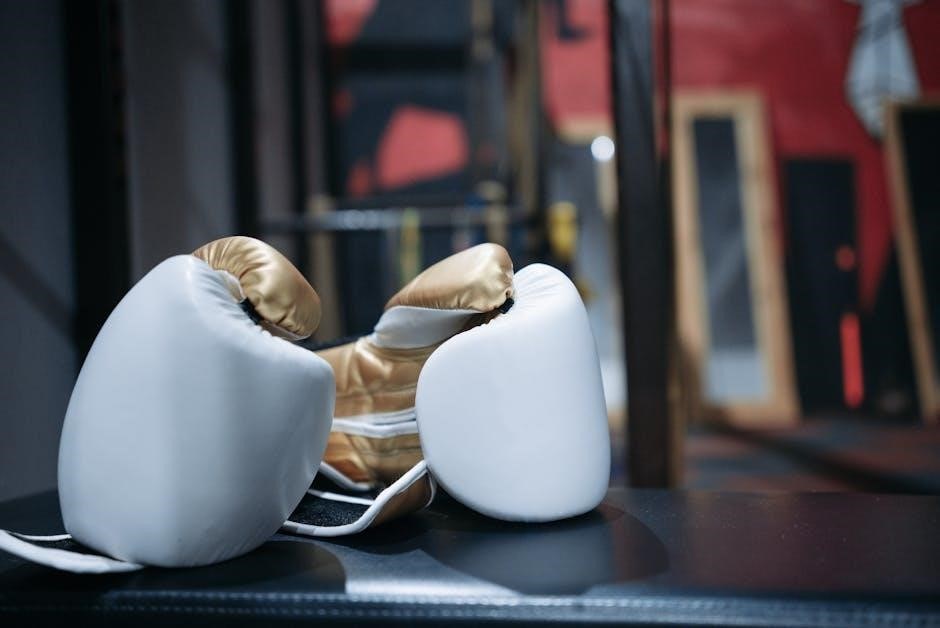
Yokkao Boxing Gloves Size Chart
Yokkao, a prominent Muay Thai and boxing equipment brand, offers a sizing guide that reflects the nuances of their glove designs. While they utilize the standard ounce system, their gloves often fit slightly smaller compared to some other brands, particularly in the Muay Thai range.
Generally, Yokkao recommends 12oz for lighter individuals and bag work, 14oz for versatile training, and 16oz for sparring. However, hand size is crucial. Refer to Yokkao’s specific chart – often available on their USA website – correlating hand circumference with recommended sizes. Prioritize a snug, but not constricting, fit for optimal performance and protection.
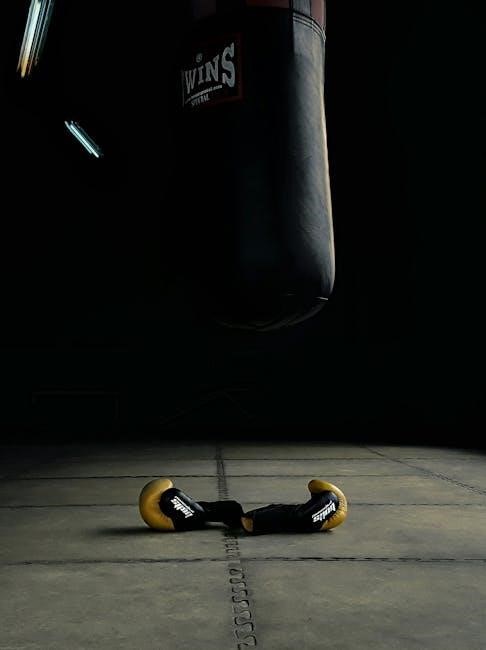
High-Quality and Durable Sparring Gloves
Investing in high-quality sparring gloves is paramount for safety and longevity. Look for gloves constructed with multi-layer foam padding, offering superior shock absorption to protect both yourself and your sparring partner. Leather gloves generally outlast synthetic materials, providing enhanced durability and breathability.
Reinforced stitching and a secure wrist closure system are essential features. Consider gloves with an ergonomic design that promotes proper hand alignment. While 16oz is standard for sparring, heavier gloves (18oz or even 20oz) may be preferable for larger individuals or those seeking maximum protection. Prioritize comfort and a secure fit during extended rounds.

Style and Size Considerations
Boxing gloves aren’t just about protection; style plays a role too! Gloves come in a vast array of colors and designs, allowing you to express your personality. However, prioritize fit over aesthetics. A poorly fitting glove, regardless of how cool it looks, compromises safety and performance.
Remember that sizing can vary slightly between brands. Always check the manufacturer’s size chart. Consider the type of training you’ll be doing – bag work, mitt work, or sparring – as this influences the ideal size. Don’t be afraid to try on different sizes and brands to find the perfect match for your hand.
Where to Buy Boxing Gloves
Boxing gloves are readily available from a variety of retailers, both online and in brick-and-mortar stores. Major sporting goods stores often carry a selection of entry-level gloves, suitable for beginners. However, for a wider range of brands, sizes, and quality, specialized boxing equipment retailers are recommended.
Online marketplaces like Amazon offer convenience and competitive pricing, but be cautious about verifying seller authenticity. Directly purchasing from brand websites, such as Yokkao, ensures genuine products and access to detailed sizing information. Local boxing gyms frequently sell gloves and can provide expert advice on choosing the right pair;
Caring for Your Boxing Gloves
Proper glove care extends their lifespan and maintains hygiene. After each use, wipe down the inside with an antibacterial wipe to combat moisture and odor buildup. Removing hand wraps also aids in drying. Avoid leaving gloves in a gym bag for extended periods, as this fosters bacterial growth.
Allow gloves to air dry completely between sessions. Stuffing them with newspaper can absorb excess moisture. Avoid direct sunlight or heat, which can damage the materials. Regularly inspect for tears or damage and address them promptly. Investing in glove deodorizers can further control odor and maintain freshness.

Avoiding Common Sizing Mistakes
A frequent error is assuming weight-based sizing applies to all gloves; traditional boxing prioritizes usage – sparring, bag work, or competition. Don’t equate fitness glove “small/medium/large” to standard ounce sizes. Beginners often overthink their first purchase, but 16oz gloves are generally suitable for initial training.
Avoid buying gloves that are too small, restricting hand movement and increasing injury risk. Conversely, excessively large gloves can hinder technique. Resist the urge to purchase gloves solely based on appearance; prioritize fit and intended use. Remember, gyms often provide sparring gloves, delaying that specific purchase.
Upgrading Your Boxing Gloves
As you progress in boxing, upgrading your gloves becomes essential. Your initial 16oz pair will inevitably wear down with consistent use, signaling the need for replacement. Consider investing in separate gloves for bag work and sparring to maximize durability and performance. Explore higher-quality materials and construction for improved hand protection and comfort.
When upgrading, reassess your weight and training intensity to ensure the correct ounce size. Don’t hesitate to try on different brands and models to find the optimal fit. A well-fitted, durable pair of gloves is a worthwhile investment in your boxing journey, enhancing both safety and skill.
Leave a Reply
You must be logged in to post a comment.